Brand Strategy : Brand Systems : Visual Identity
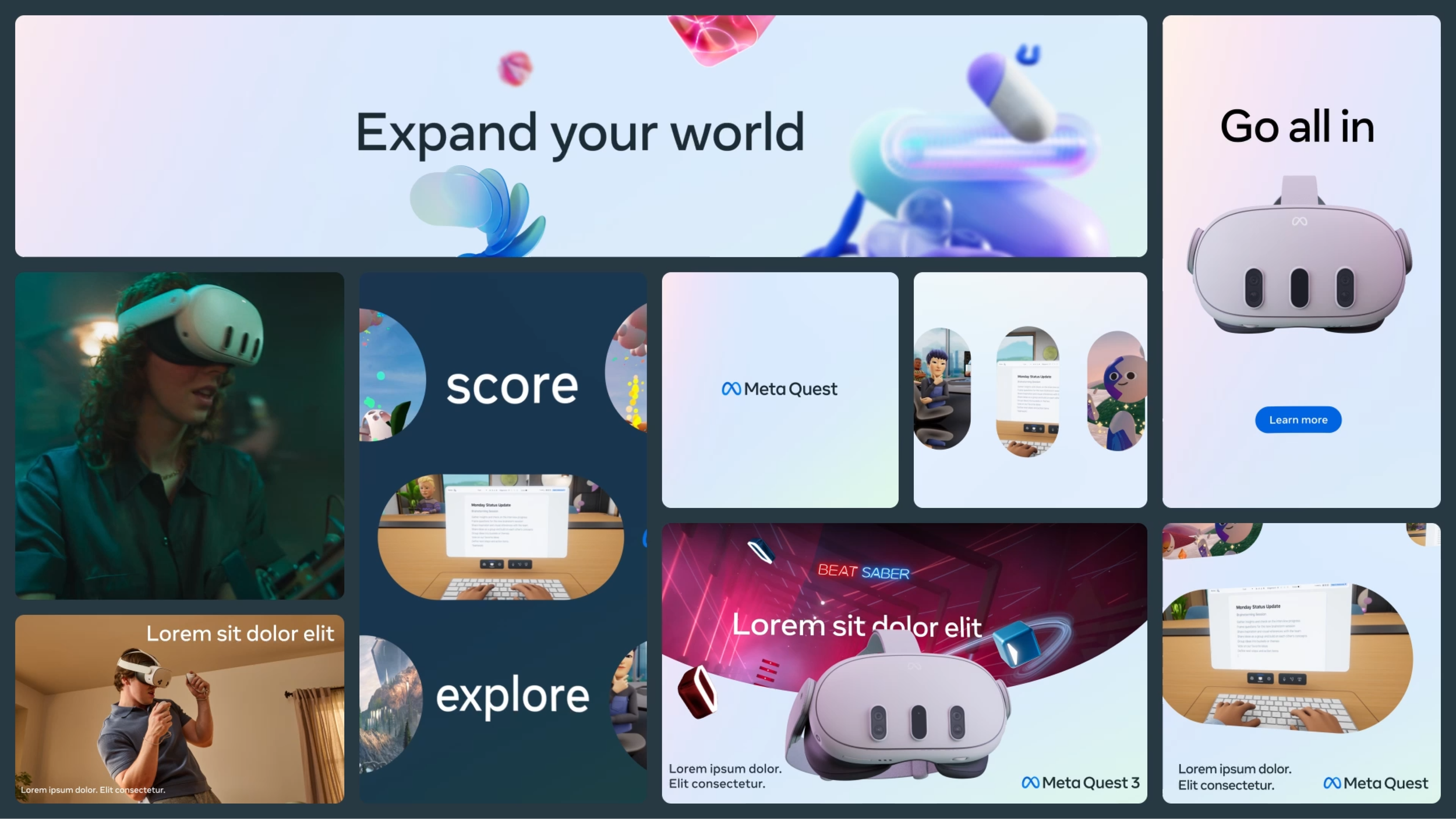
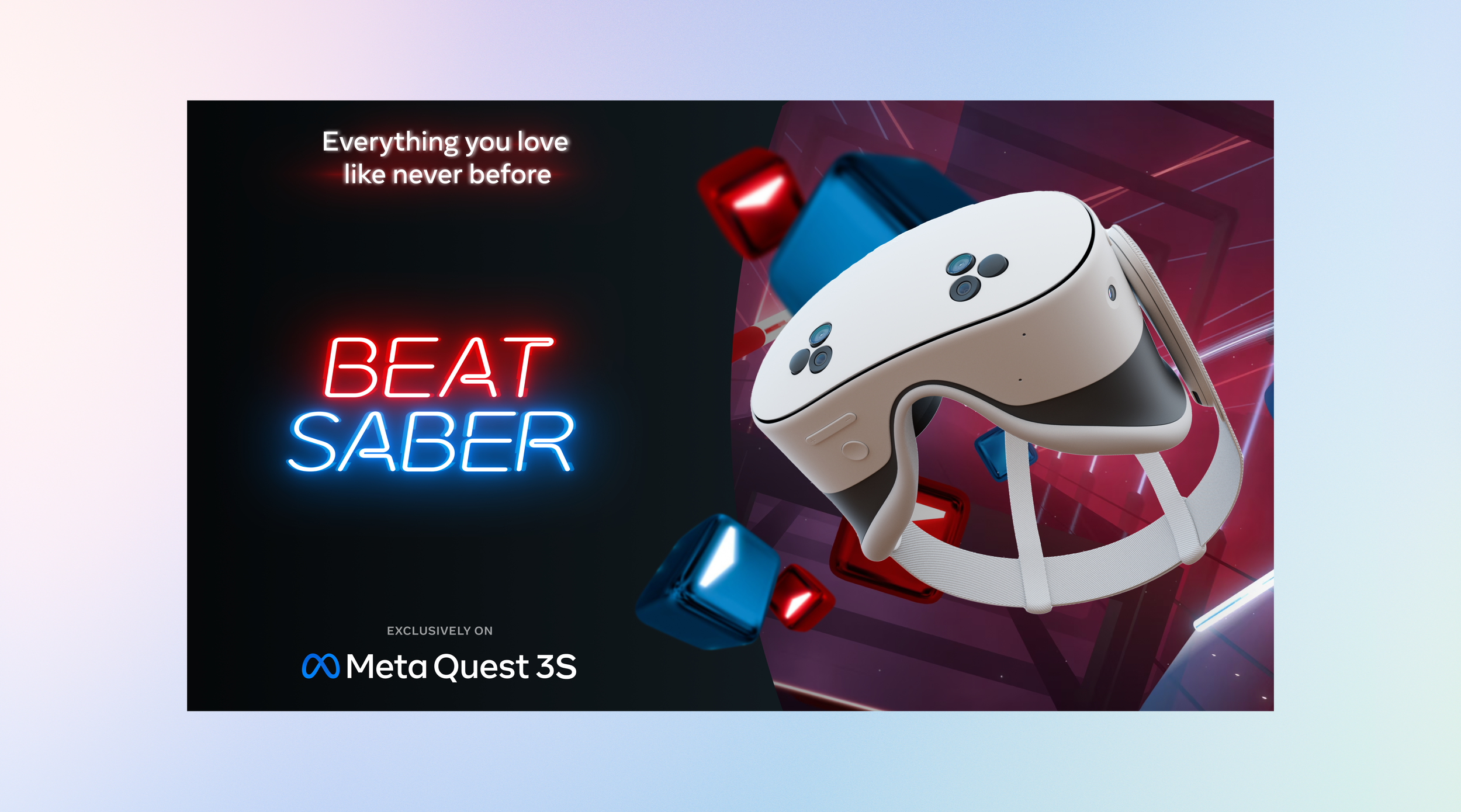
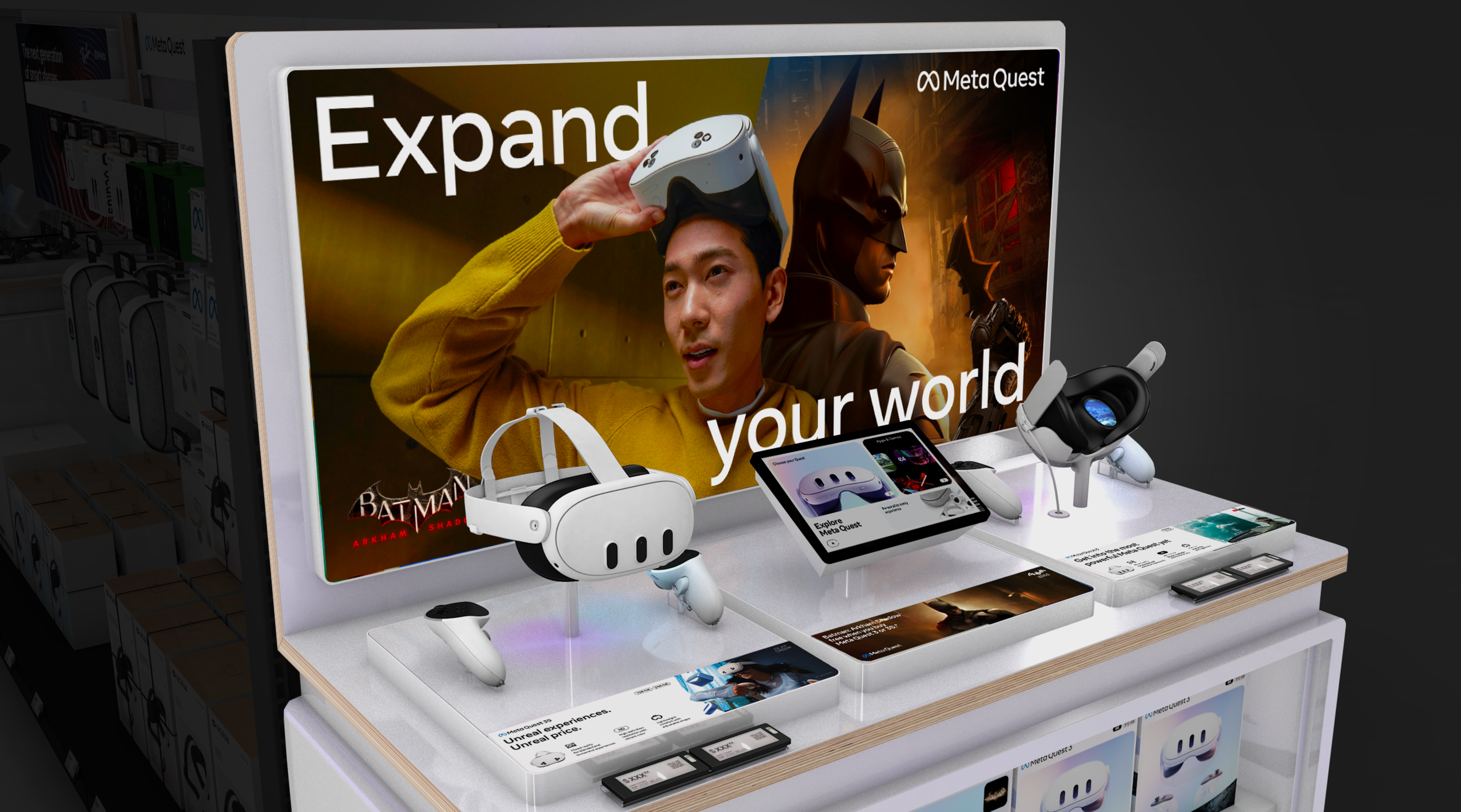
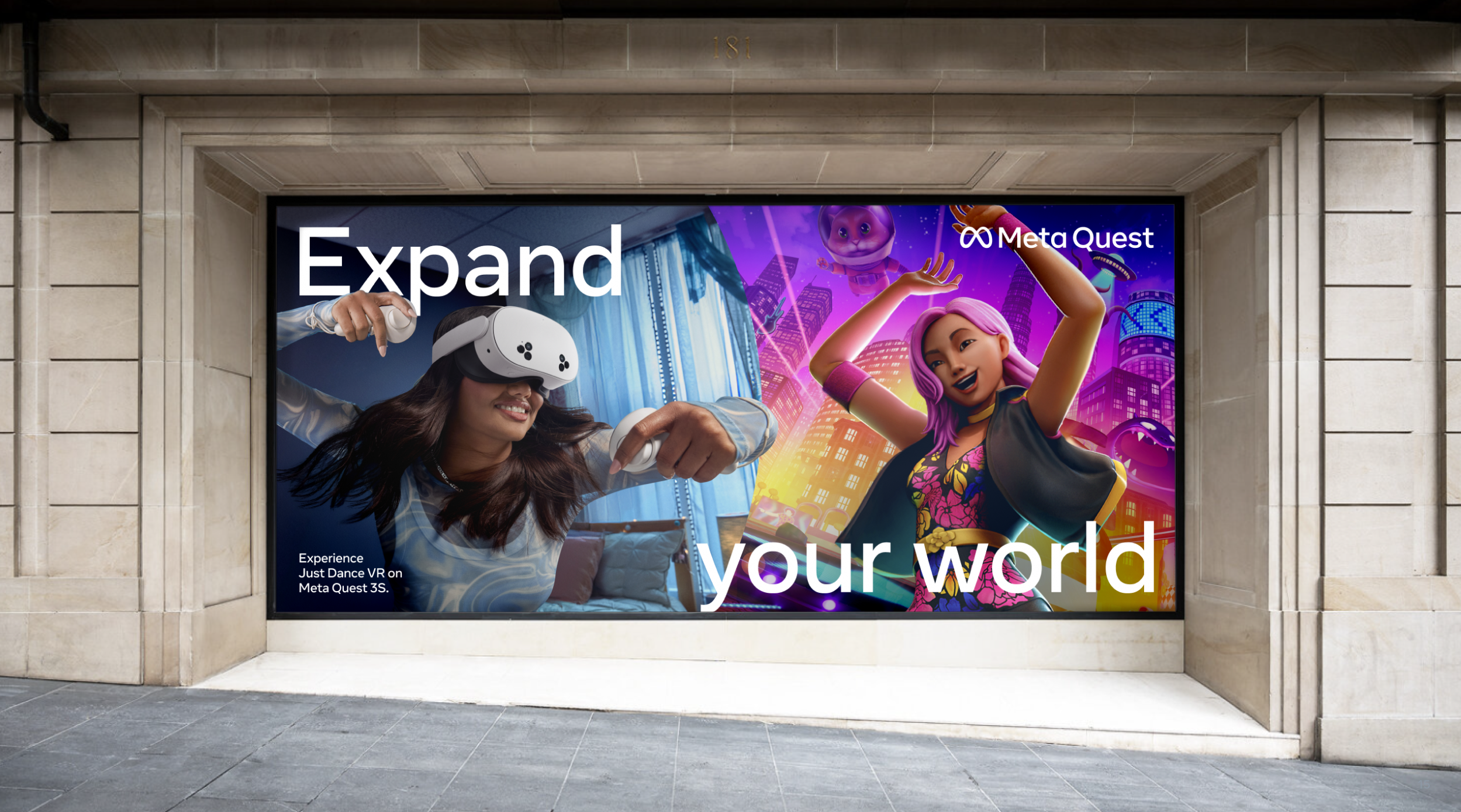
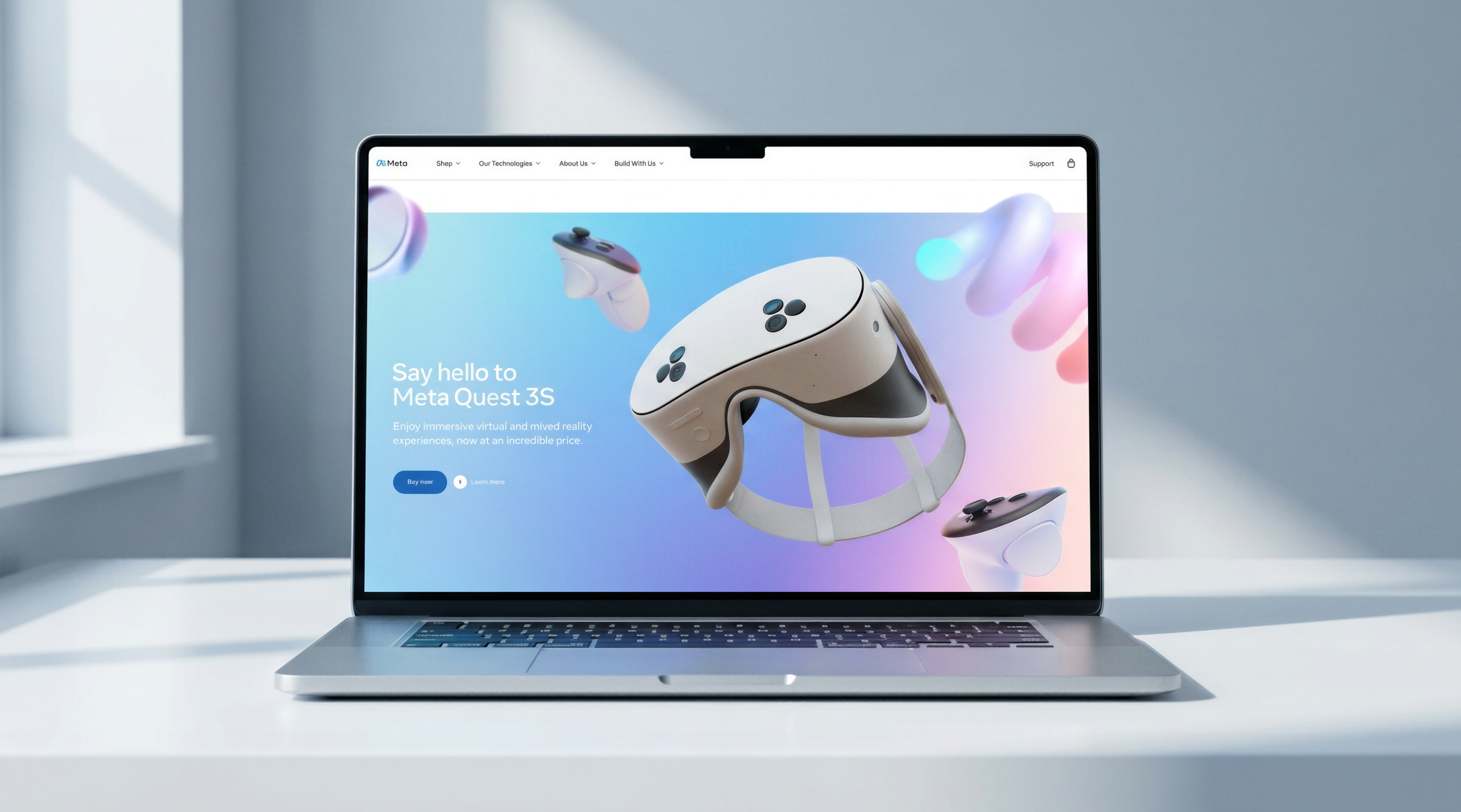
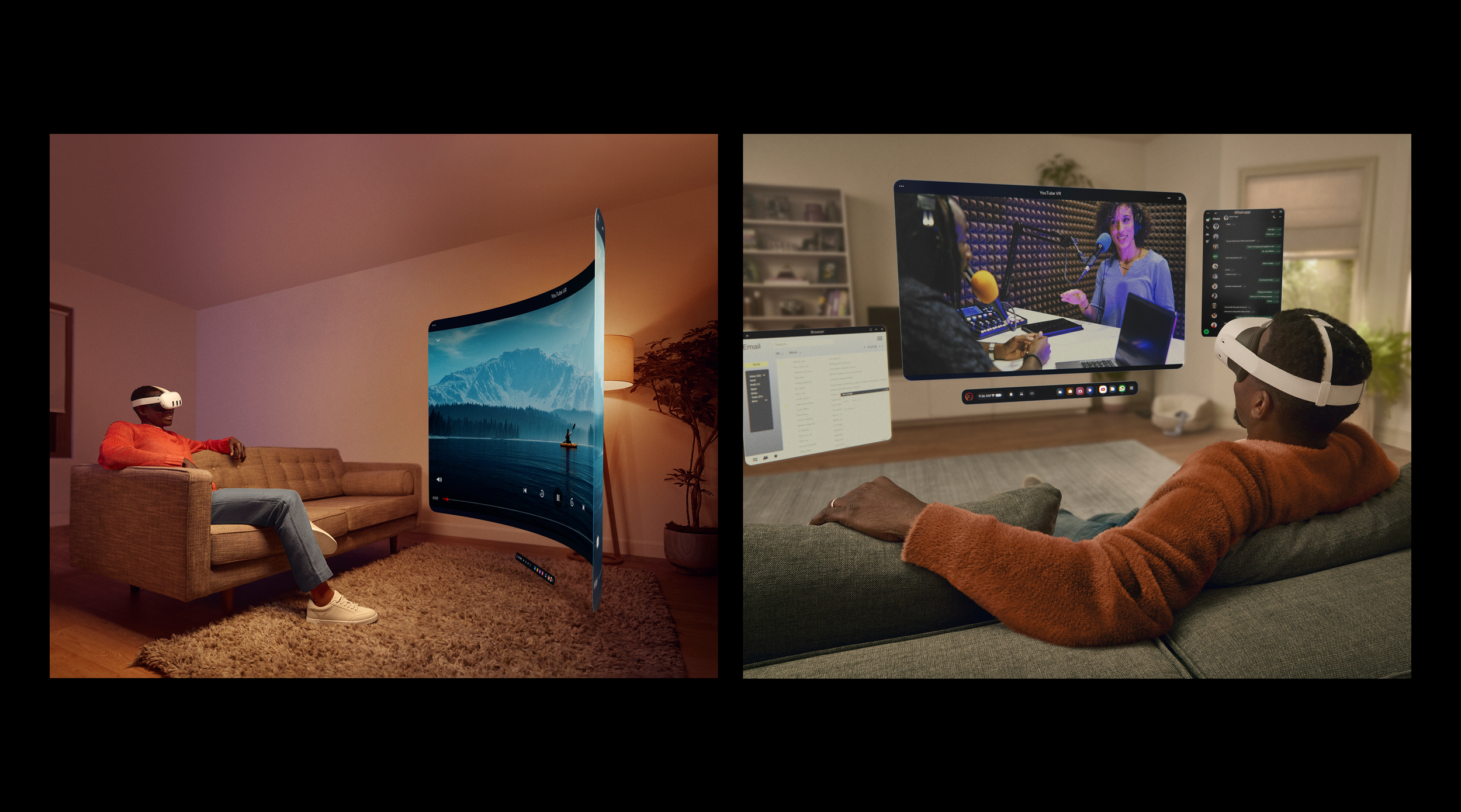
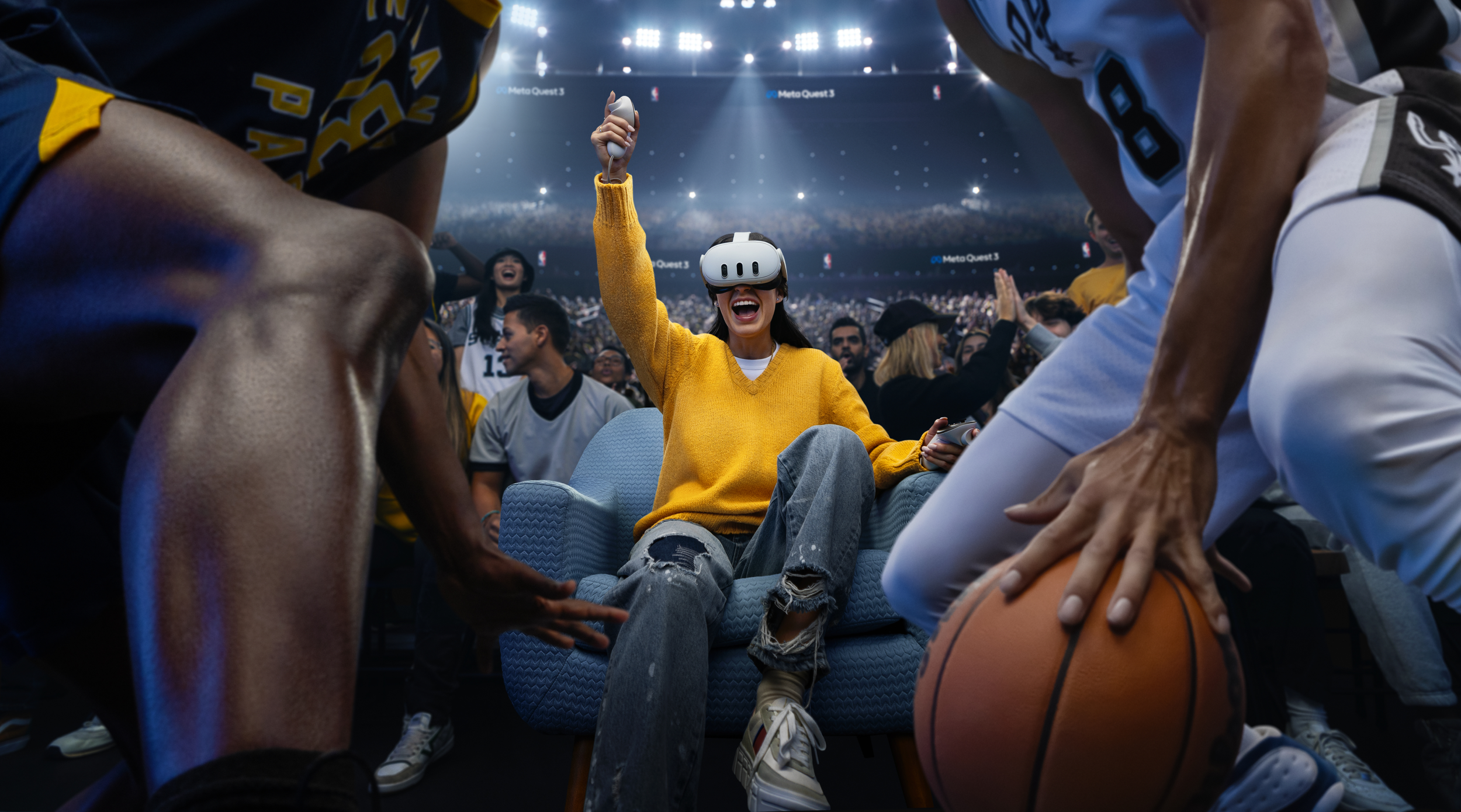
The Meta Quest 3 and 3S were the most significant hardware launches in Meta's mixed reality portfolio, designed to bring MR to a mass-market audience. The challenge was bigger than a product launch: it required consideration of what the mixed reality category looked and felt like as a brand, unifying the DNA across Meta Quest (Hardware) and Meta Horizon (software), and building a system that could flex across global and regional marketing surfaces, without losing creative coherence.
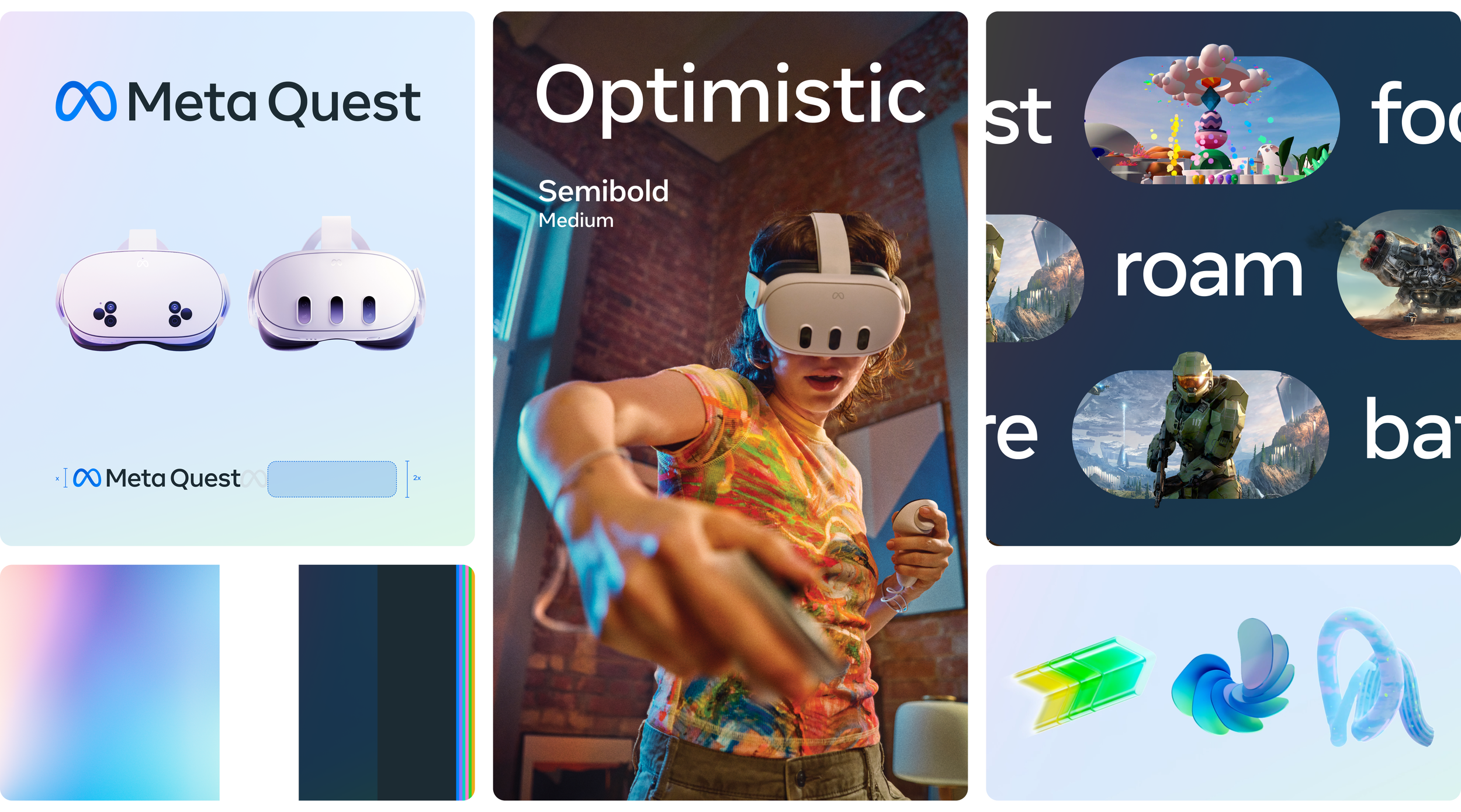
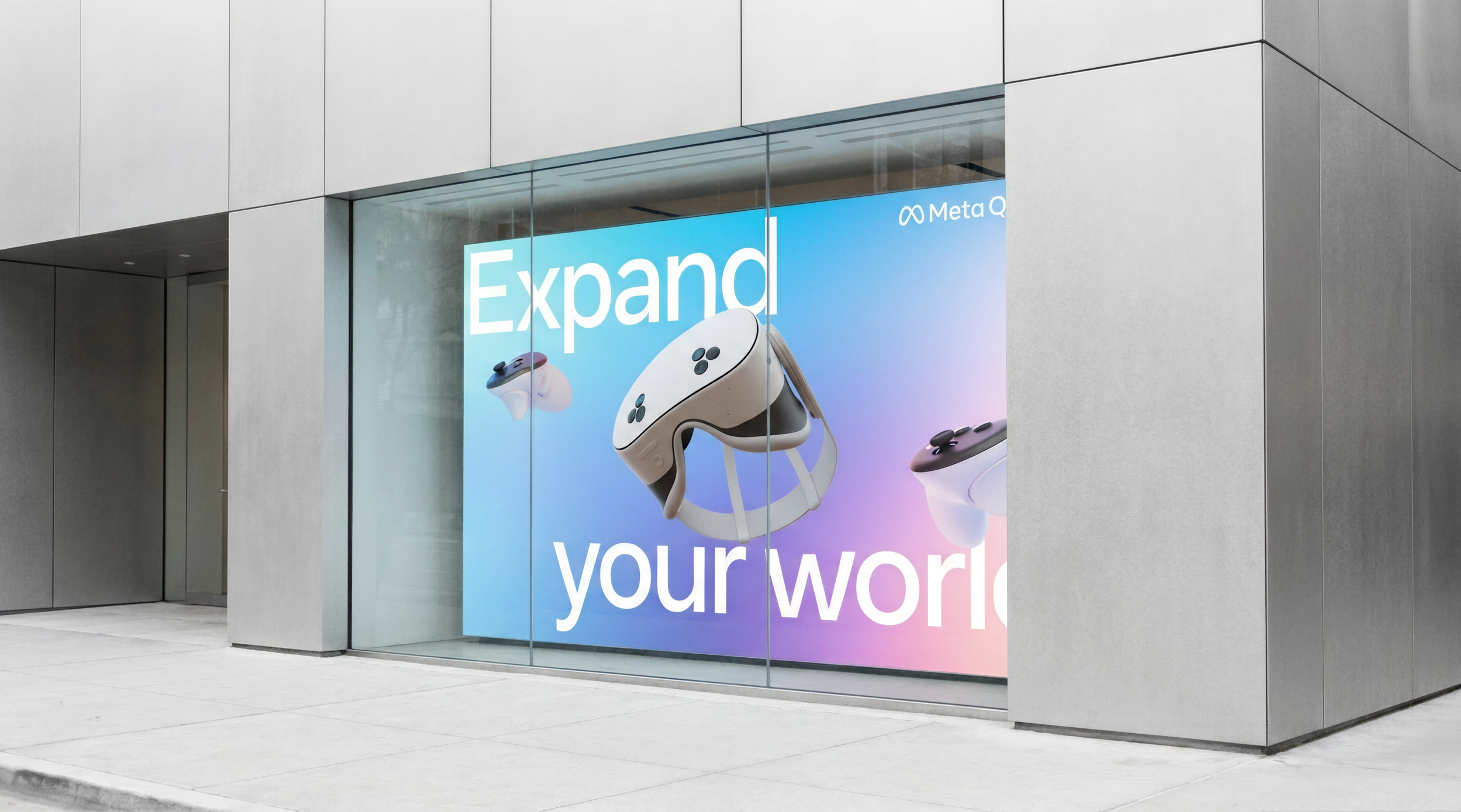
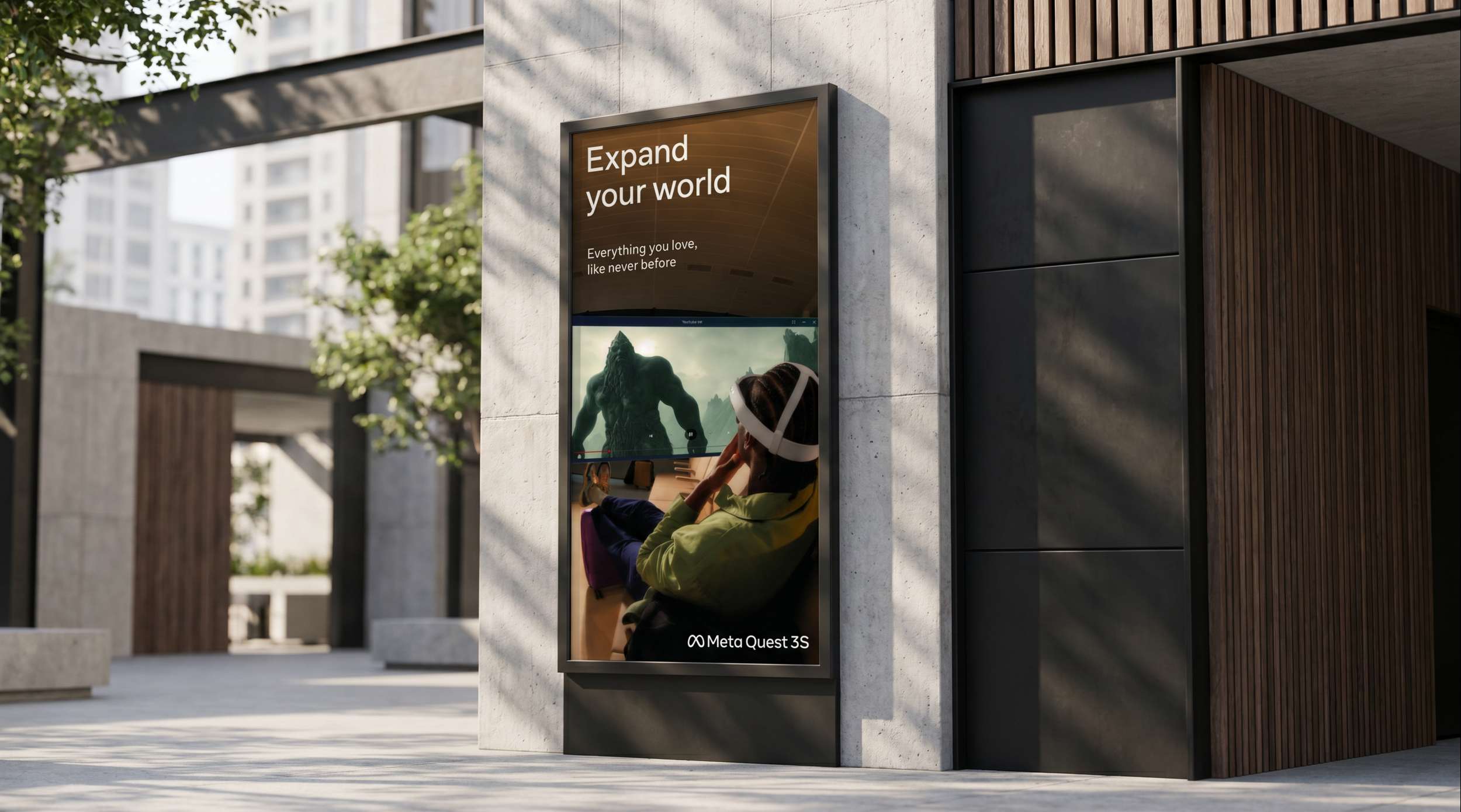
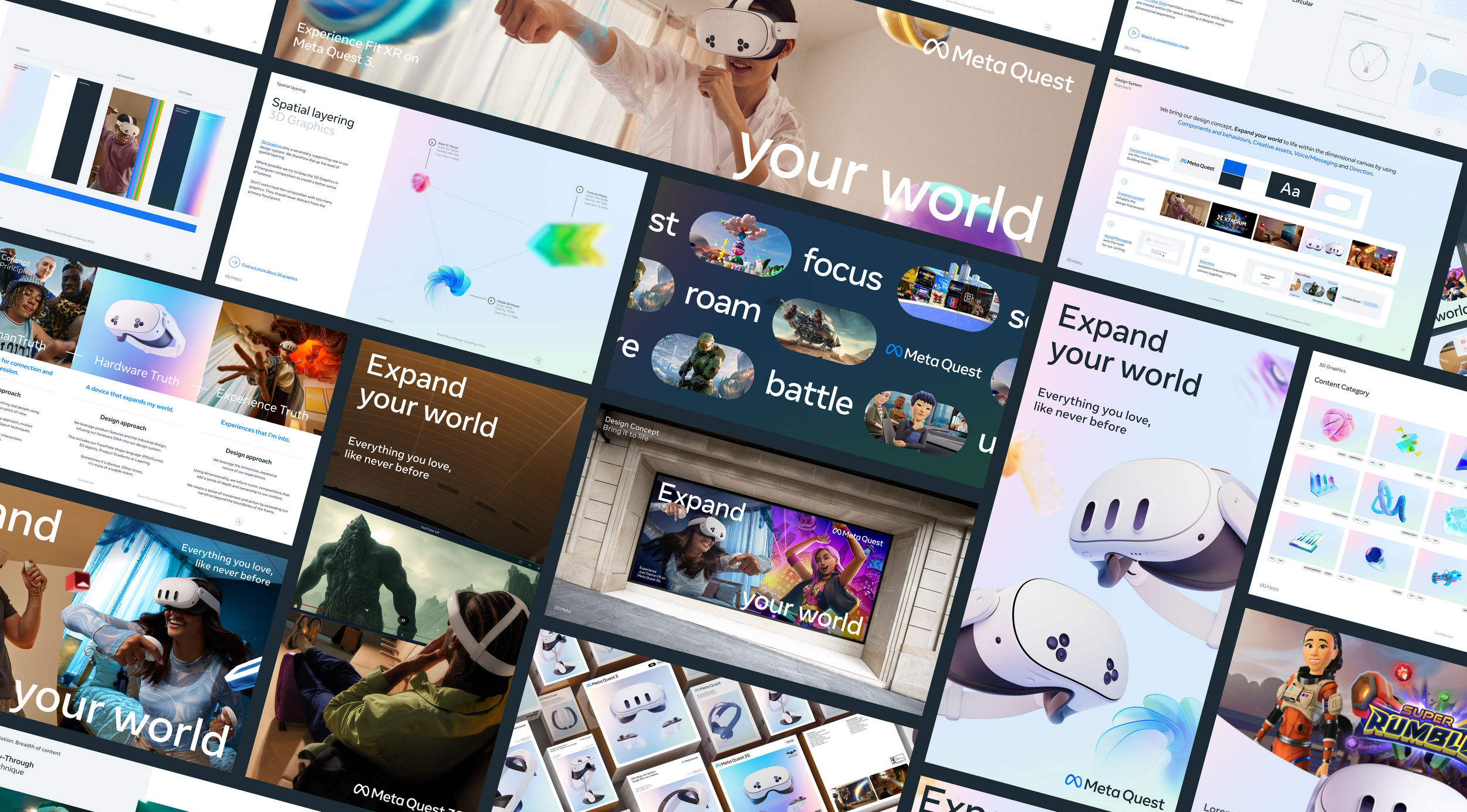
The Meta Quest Brand Guidelines were designed to balance strategic design foundations with practical, idea-centric systems. The core challenge was developing a visual language that could hold across an extraordinarily wide scope, from conceptual briefs and channel applications, while remaining flexible enough for regional teams and agencies to create locally relevant work.
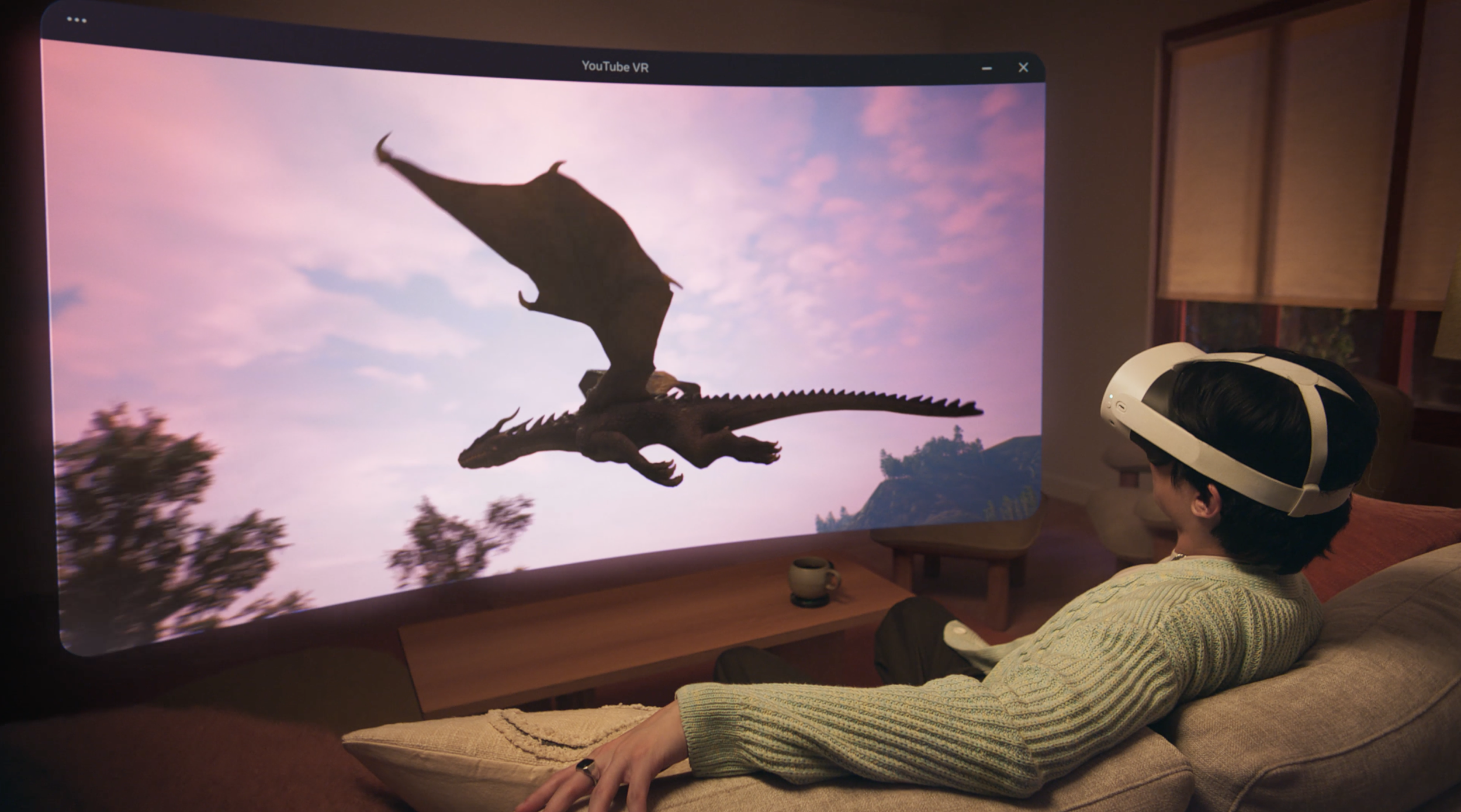
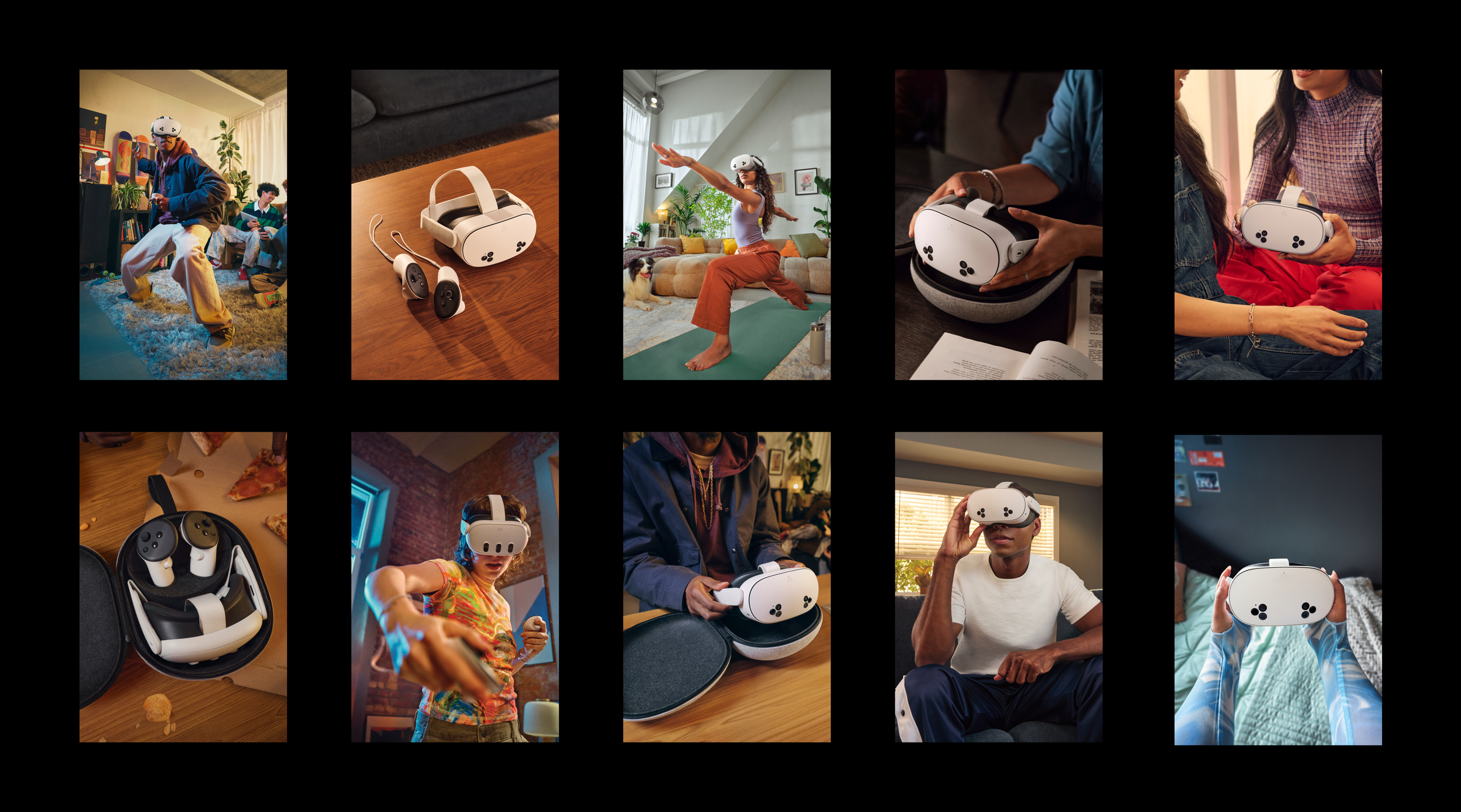
The design language was defined through three design truths: Human Truth, Hardware Truth, and Experience Truth. Each had its own design approach, from how people were hero'd in imagery to how the hardware's industrial design was infused into the visual system. Together they gave every creative decision a clear strategic anchor.
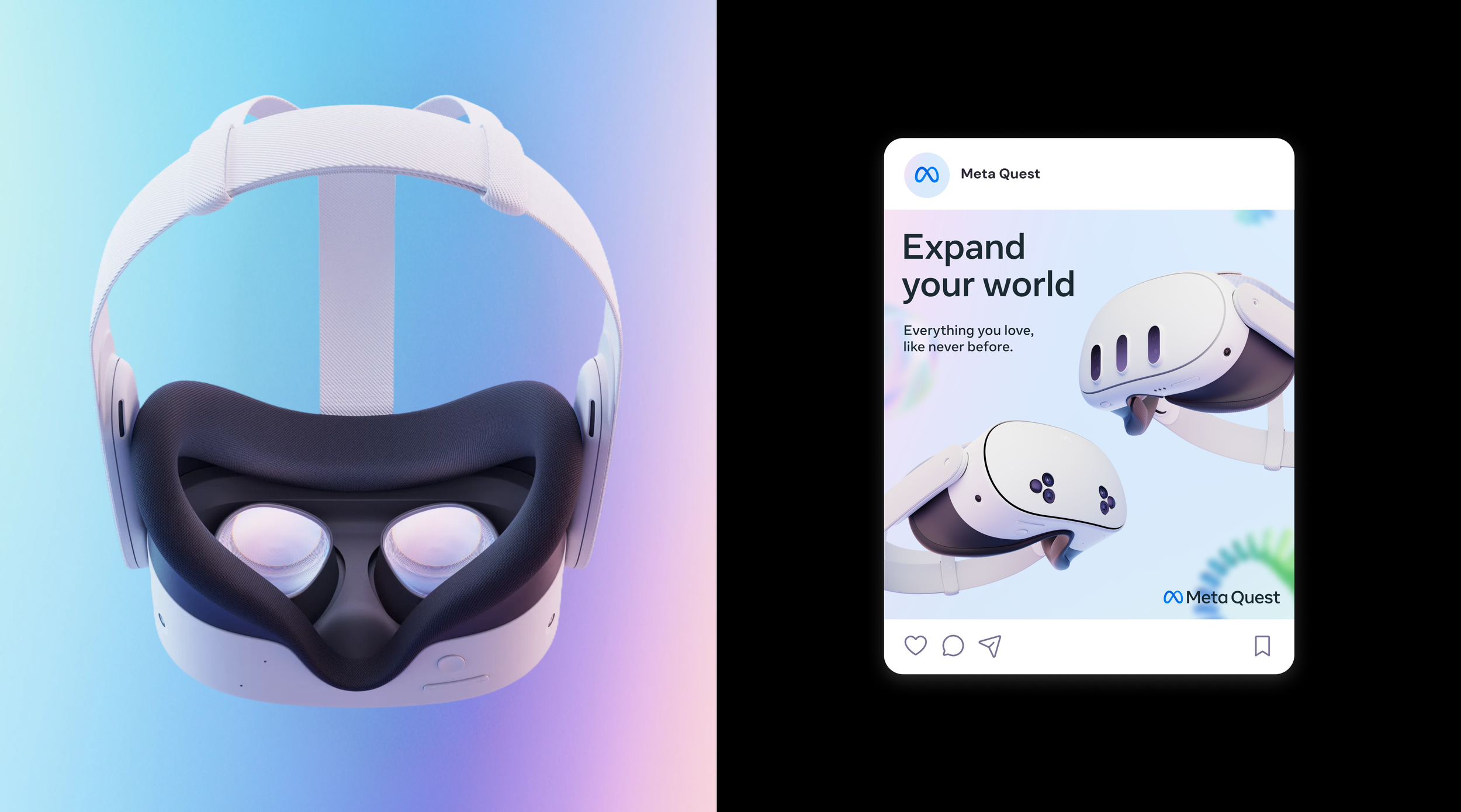
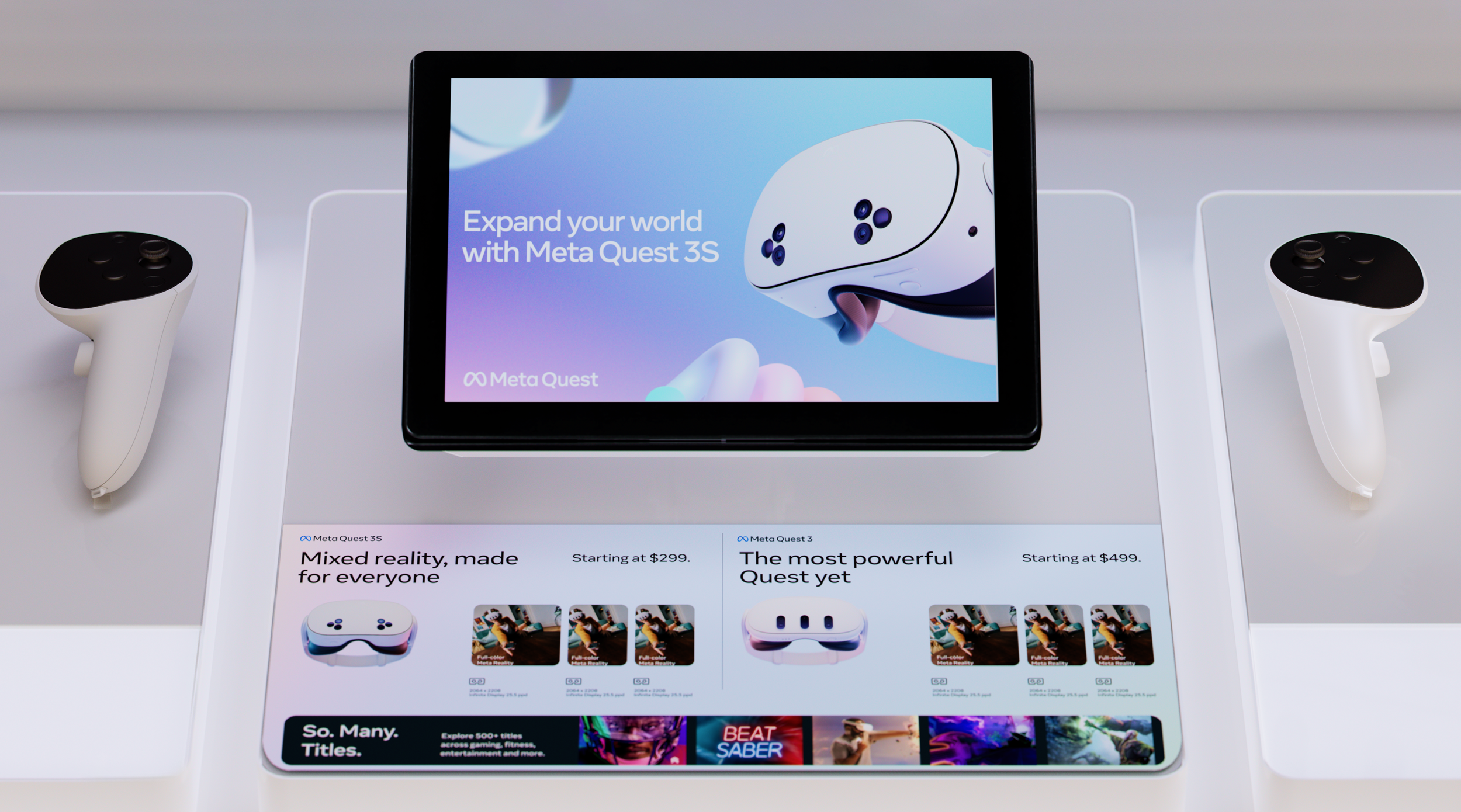
A four-layer spatial framework gave the system its sense of depth, dimension, and perspective, while keeping it flexible enough to adapt across channels and formats. The colour system was equally purposeful: three distinct gradients, each with a specific role, including a dedicated volumetric gradient created solely for device comparison communications between Meta Quest 3 and 3S. Even product hierarchy was codified, with Meta Quest 3 always positioned right and higher on the canvas, establishing visual authority between the two products without a word of copy.
The guidelines were designed to bridge the gap between brand strategy, product integration, and marketing, enabling teams across multiple verticals and regions to execute with speed, quality, and brand coherence without bottlenecks.
The system evolved in response to shifting business priorities and evolving hardware, demonstrating that brand guidelines are a living design tool, not a fixed document. To ensure they translated effectively outside the US, a dedicated EMEA Brand Support model was established: weekly office hours, daily stand-ups with internal and external partners, and Workplace brand groups for both Meta Quest and Meta Horizon.